

Cretan Experiences
 Sun & Sea
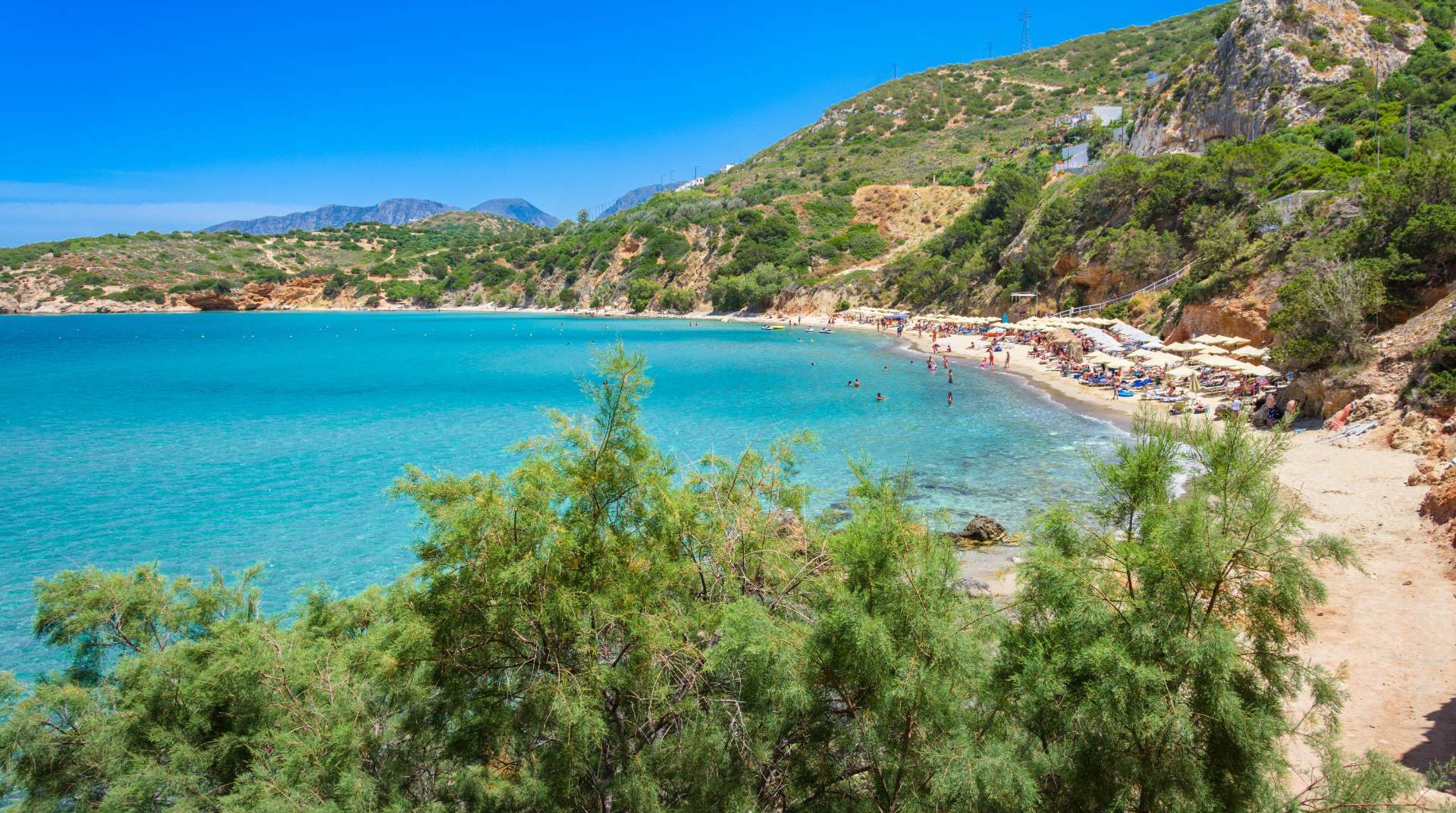
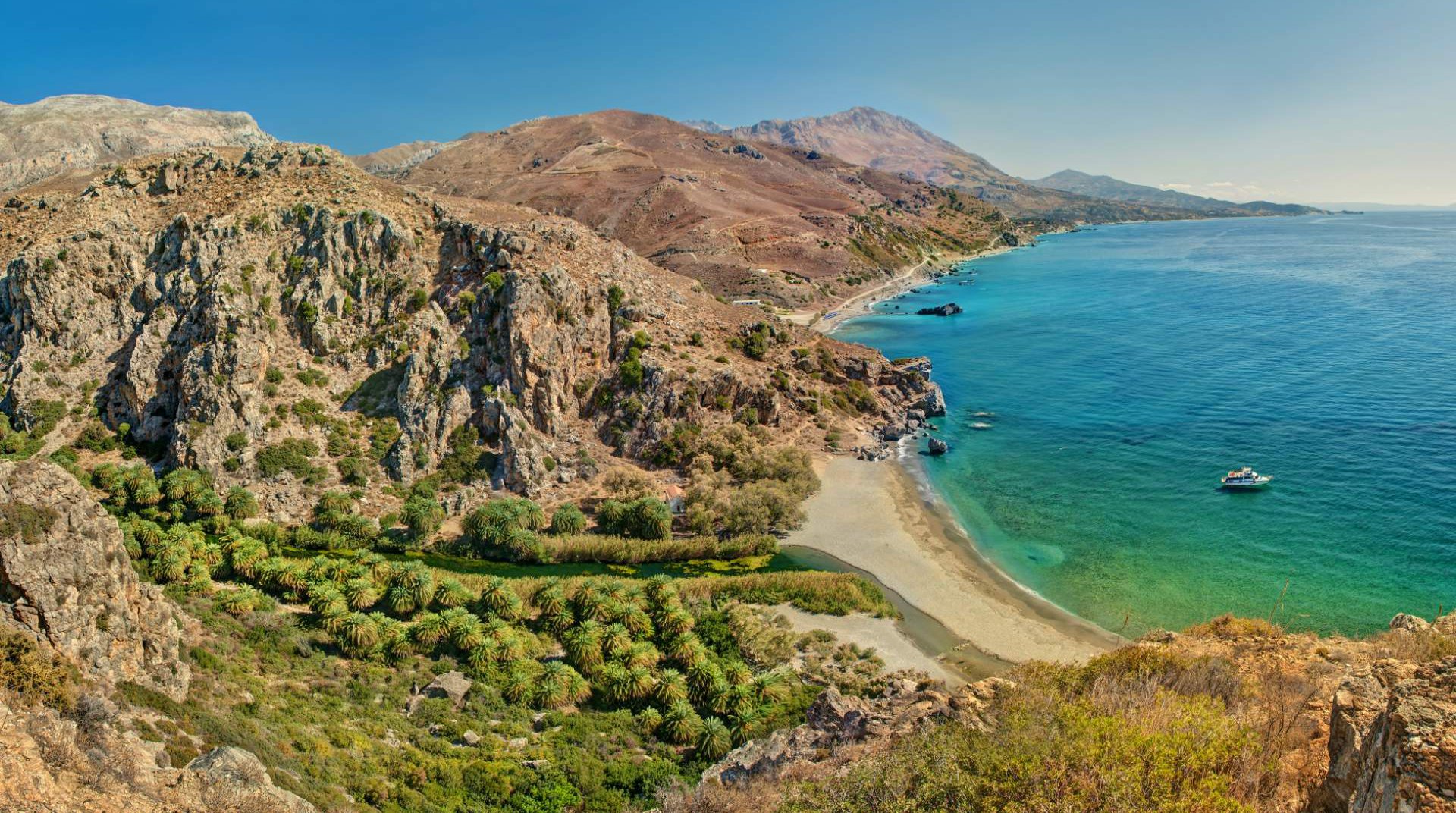
Hundreds upon hundreds of miles of coastline, sculpted by salt, the ferocious sea waves and the erosive force of the wind. Crystal clear waters that leave no part of the blue and green color palettes unexploited.
Steep and proud mountains that rise violently and abruptly above the sea; this is the exact scene that accompanies Crete from one end to the other.
To be more precise, Crete’s coastline has an impressive length of 1,046 km, with places both very popular and well organized with many visitor facilities, but also with spots that are secluded, scenic and pristine.
The majority of the hospitable and well organized beaches, where the big tourist resorts lie, are situated in the north coast of the island, just like our maisonette. They offer a wide range of leisure and security services, such as cafes, bars with music and drinks and, of course, the comforting presence of lifeguards.
For instance, a few miles to the west from Cyan Residence you will find Bali beach. Although coincidental, the naming resemblance to the famous paradise destination of Indonesia does not seem so random upon second thought!
Consisting of 4 separate beaches, both with pebbles and sand, its deep waters and the surrounding natural caves, sculpted by the waves, will not leave your eyes unpleased. On the other hand, heading now to the east of our maisonette, we can find equivalently majestic places.
The Vai beach, one of the most important attractions of the island as a whole, features the largest natural palm forest in Europe, with palms almost reaching the water.
A bit closer to Mades, you can also visit the beautiful beach of Kolokytha that is located on a small island, just opposite the rocky islet of Spinaloga the former home of the lepers and the setting of the famous Victoria Hislop novel ‘The Island’.
Agia Pelagia
Agios Pavlos
Chryssi Island
On the contrary, the more romantic and adventure-loving visitors will love the southern coast of the island. Driving on serpentine roads on the edge of steep slopes, hiking on ancient shepherd paths along the mountain lines and crossing wild gorges, overgrown with vegetation, will most likely result in the satisfaction of the discovery of a virgin small bay.
Agios Pavlos beach, for instance, with its trademark steep dunes and the unique colorful rock folds, a true wonder of geology, will offer you peace of mind and relaxation. Another imposing creation of nature can be found at Agiofaraggo beach, reachable only by hiking through an impressive narrow gorge.
For a more serene summer setting, you can visit the Chrysi island, just a few miles by a boat from Ierapetra. The word Chrysi means ‘golden’ in Greek, and for good reason, given the omnipresent golden sand beaches of the island that gives it a taste resembling more the tropical zone, rather than the Mediterranean.
Read the coast before entering the water
A beach visit begins with observing the shore as it is now. Wind direction, waves and the entry into the water matter more than a reputation for calm conditions. Spend a few minutes looking before settling down. If a bay feels uncomfortable or local guidance advises against swimming, enjoying the view from land remains a worthwhile coastal experience.
Crete's northern and southern shores have different exposures, but neither can be judged safe simply from its position on the island. Conditions can change within a day and between neighbouring coves. Use current local advice and any posted warnings. Never interpret the absence of a warning sign, a lifeguard or other swimmers as evidence that there is no risk.
Choose the shore for the people with you
Sand and pebbles feel different underfoot, and the way a beach slopes into the sea can matter to less confident swimmers. Look at the actual entry point rather than choosing solely by the colour of the water. A beautiful setting may still be unsuitable for someone's comfort or ability. Agree that anyone can stay ashore without pressure to join the others.
Children need active supervision near water, including when adults are preparing food or arranging belongings. Designate who is watching rather than assuming that a group of adults automatically provides supervision. Inflatable toys are not safety equipment and can move away quickly in wind. Keep the day's choices within everyone's abilities instead of treating an unfamiliar bay as a place to test limits.
Pack for an ordinary coastal afternoon
Bring drinking water, suitable sun protection and a way to protect your belongings from sand and spray. Reflected light can make exposure easy to underestimate, even when a breeze feels cool. Plan breaks away from direct sun and avoid depending on finding natural shade. A change of clothing can make the return journey more comfortable after a swim.
Keep footwear useful for the ground you actually expect to cross. A route involving rough stones is different from walking along a paved promenade. Do not extend an outing onto an unfamiliar cliff path simply because it appears to continue towards another cove. Coastal edges can be unstable, and an attractive distant beach may not have a safe approach from your position.
Allow a beach to stay a beach
Take away small rubbish as well as larger packaging, especially items that wind can carry into the sea. Leave shells and other natural material in place. Avoid disturbing vegetation behind the shoreline, where plants may help hold loose sand together. These modest habits protect the setting without requiring specialist knowledge or turning a relaxed outing into a formal activity.
For variety, compare the character of places described in the guide rather than collecting as many swims as possible. Bali, Vai and the southern bays suggest very different landscapes. Choose a feasible destination, research access independently and give it enough attention. The memory of a coastline often comes from noticing its details, not from the number of beaches visited.
 Sun & Sea
Accept optional cookies to view the map.
Open in Google Maps