

Contact Us
Please fill out the form and we will get back to you as soon as possible
* Required fields
Accept optional cookies to view the map.
Open in Google MapsHelp us understand your enquiry
A useful message begins with the question you need answered. Whether you are considering a visit to Mades or clarifying a detail about Cyan Residence, explain the purpose of your enquiry in the subject and the opening sentence. You do not need a long introduction. A few relevant facts make a message easier to understand than a broad request for information.
Use the form above for your question, or consult the contact details displayed on this page. Check the spelling of your email address before sending: a small typing error can prevent a reply from reaching you. If you provide a telephone number, include the international dialling code so that the number is clear outside your own country.
Explain who is travelling
State the total number of people in your party and mention whether children are included. The published capacity of the residence is six guests, and the house has three sleeping rooms. A concise outline of your group helps put questions about room sharing or everyday use into context without requiring a detailed account of everyone's personal circumstances.
If you have a question about beds, make it specific. For example, ask about the published arrangement rather than simply asking whether there is enough room. When a cot is relevant, mention that request explicitly. Do not assume that an unmentioned item, extra bed or alternative setup is included just because another property offered it on an earlier trip.
Ask about the detail that matters
Different visitors attach importance to different practical points. A traveller with limited mobility may need to understand access between levels, while a family may want clarification about a sleeping arrangement. Describe the requirement itself. This gives a more useful starting point than labels such as suitable for everyone, which can mean very different things to different people.
For questions about equipment, name the item or function you need. For questions about access, describe the movement or entrance you are asking about. The house description is a helpful overview, but a focused message can clarify matters that do not fit into a general introduction. Avoid sending unnecessary medical information when a practical explanation will do.
Arrival questions to clarify beforehand
If your query concerns reaching the property, distinguish between finding the village and understanding the final arrival arrangements. The location page introduces the area around Mades, while the address on this page identifies the destination. Any instructions about entering the accommodation should be confirmed directly rather than guessed from a map or a photograph.
You may wish to explain how you expect to reach the area and ask which details need to be shared before arrival. Keep the question separate from assumptions about transfers, reception hours or luggage handling. Unless a service is explicitly confirmed, treat it as a question, not as something automatically included with a stay.
Read the relevant page first
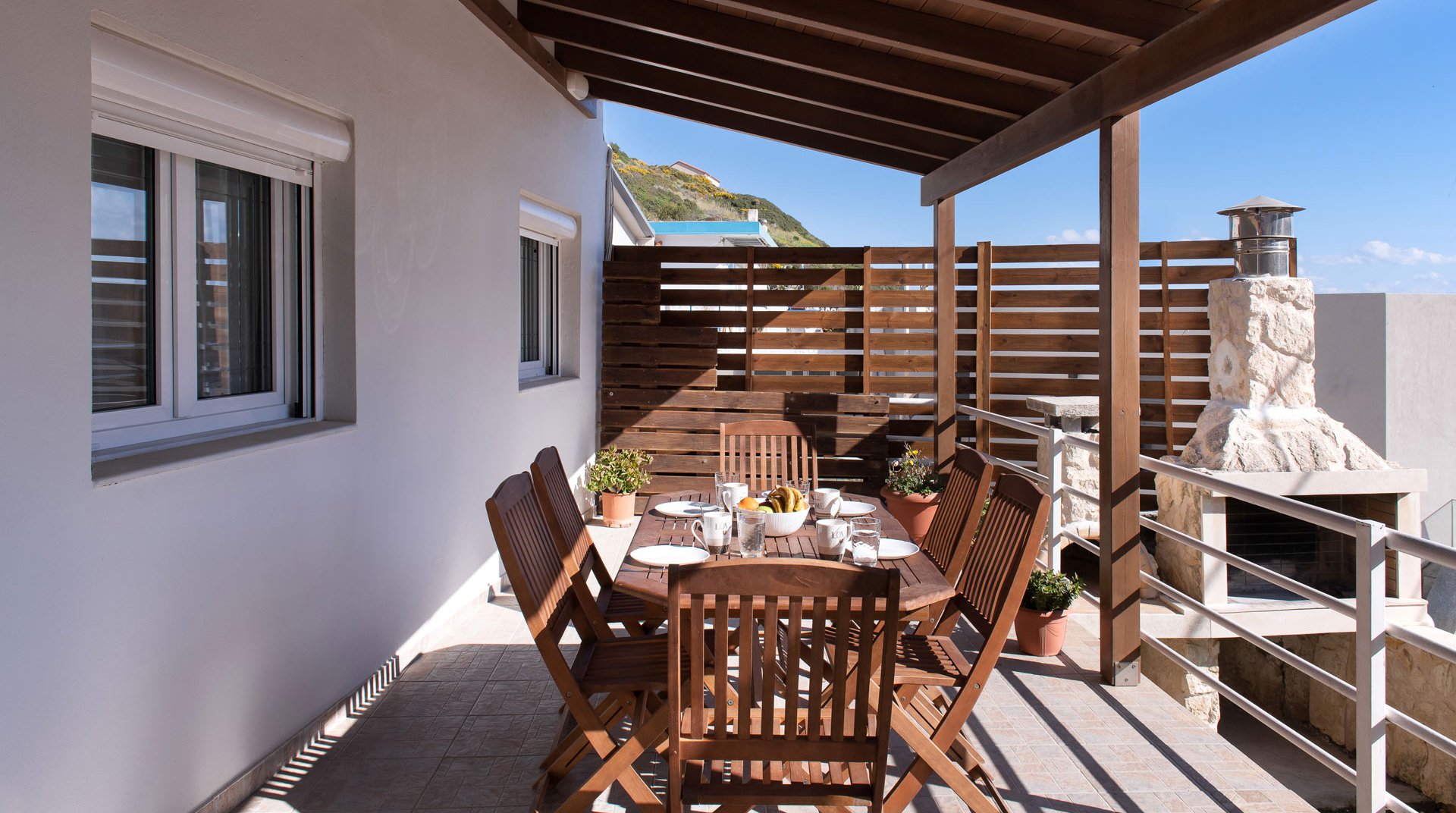
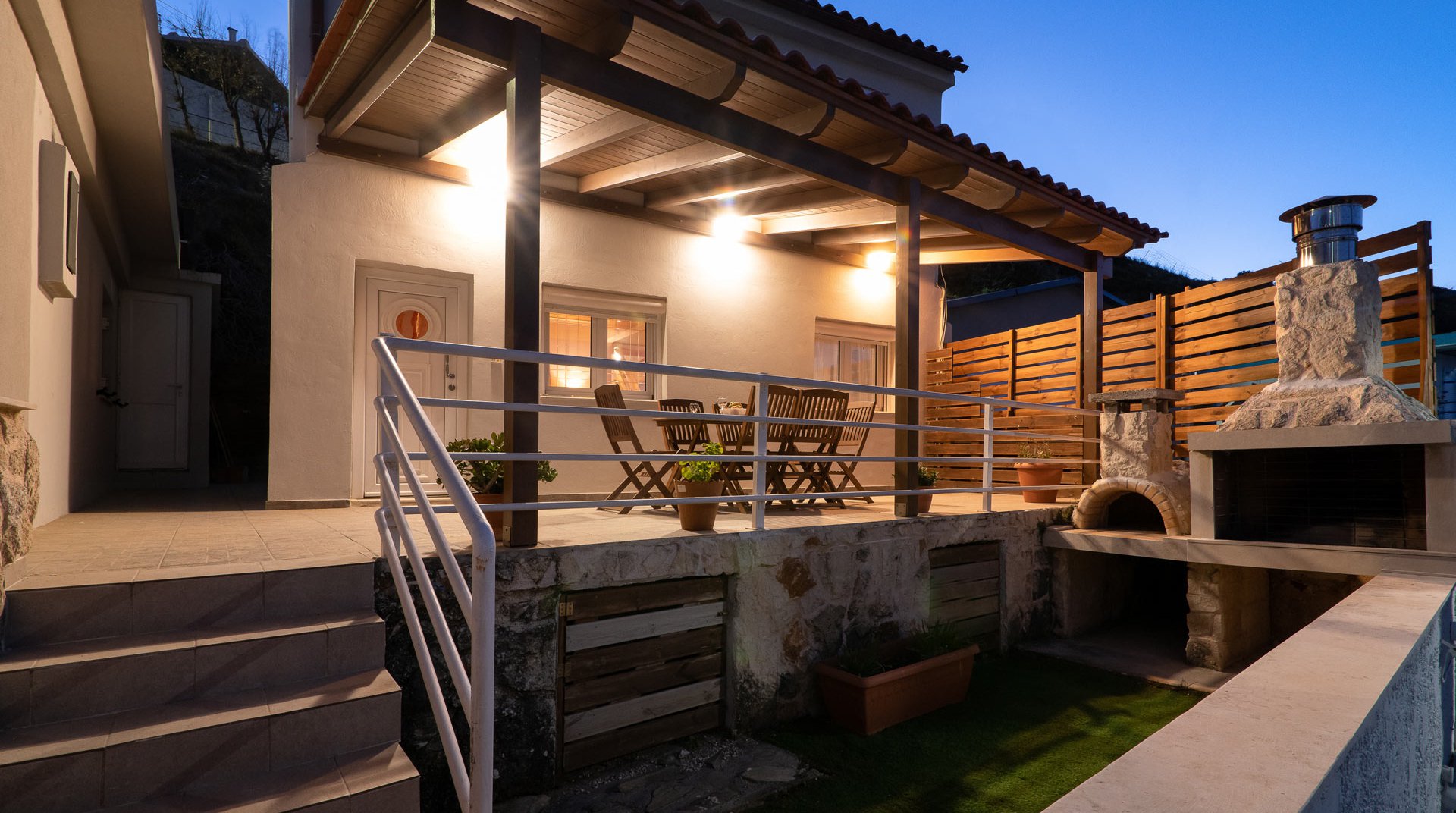
The maisonette section describes the interior layout and outdoor features. The photo gallery offers a visual overview, and the location section provides destination context. Consulting the appropriate page before writing often makes it easier to identify the one point that remains unclear. You can then refer to that point instead of asking for the entire description again.
If an image prompts a question, explain which space or feature you mean in ordinary words. A reference such as the upper bedrooms or the outdoor dining area is more useful than a vague reference to the picture. Photographs are a starting point for discussion, not confirmation of dimensions, accessibility or the presence of items outside the frame.
Keep personal information proportionate
An initial accommodation enquiry usually needs contact information and enough detail to understand the request. Avoid putting payment card details, identity document numbers or passwords in the message field. If a later process requires additional information, first establish what is needed and which method should be used, rather than sending sensitive material pre-emptively.
Likewise, there is no need to list the full names of everyone in a group merely to ask about the house. Refer to the size and needs of the party in general terms. This keeps the conversation focused and reduces the amount of personal information included in a routine message that may not yet relate to a confirmed arrangement.
Before pressing send
Review the required fields and make sure the message contains a clear question. Check that the subject matches the topic, that the email address is complete and that any telephone number is legible. If you are asking several things, separate them into short points. That structure helps avoid a practical detail being lost inside a long paragraph.
The form includes a security check when you interact with it. Follow the instructions shown on the page and look for the submission feedback. If you are unsure whether your enquiry went through, avoid assuming that silence is confirmation. You can refer to the displayed contact information to ask about the message without sending repeated versions with conflicting details.
When plans or questions change
If you need to follow up, refer to your earlier enquiry and explain what has changed. Keeping related questions together makes the conversation easier to follow. A new message that omits the original context may leave the recipient unsure whether you are discussing the same party, the same requirement or an entirely different visit.
An enquiry is a way to obtain clarification; it should not be mistaken for confirmation of any arrangement. Read the response carefully and ask about anything that remains uncertain. This is particularly important when your plans depend on a specific request. Clear written understanding is more useful than relying on what you hoped a short answer might imply.
Destination advice and property questions
The experiences guide presents ideas for exploring Crete, including culture, food, nature and the coast. Such introductions can help you choose an interest, but conditions at attractions or on routes may change. For operational details about an external place, consult the relevant source rather than treating general travel inspiration as current access information.
Questions about the residence itself belong in a direct conversation with the property. Separating accommodation needs from broader sightseeing research keeps your enquiry manageable. You can still explain the general style of holiday you are considering, but identify the specific answer you need in order to make the next decision.
A final practical check
Before closing this page, make sure you have used a contact method you can access while travelling. If your usual mailbox filters unfamiliar senders, remember to check the relevant folders when expecting a reply. Keep your own copy of important correspondence so that agreed details are available without having to reconstruct the conversation from memory.